SADI-S Surgery, Also Known as Duodenal Switch Surgery
- What Is SADI-S Surgery?
- Detailed Medical Explanation
SADI-S is an advanced bariatric and metabolic procedure used to treat severe obesity and obesity-related conditions. It is considered one of the latest and most powerful weight loss surgeries for patients suffering from morbid obesity, type 2 diabetes, hypertension, and insulin resistance.
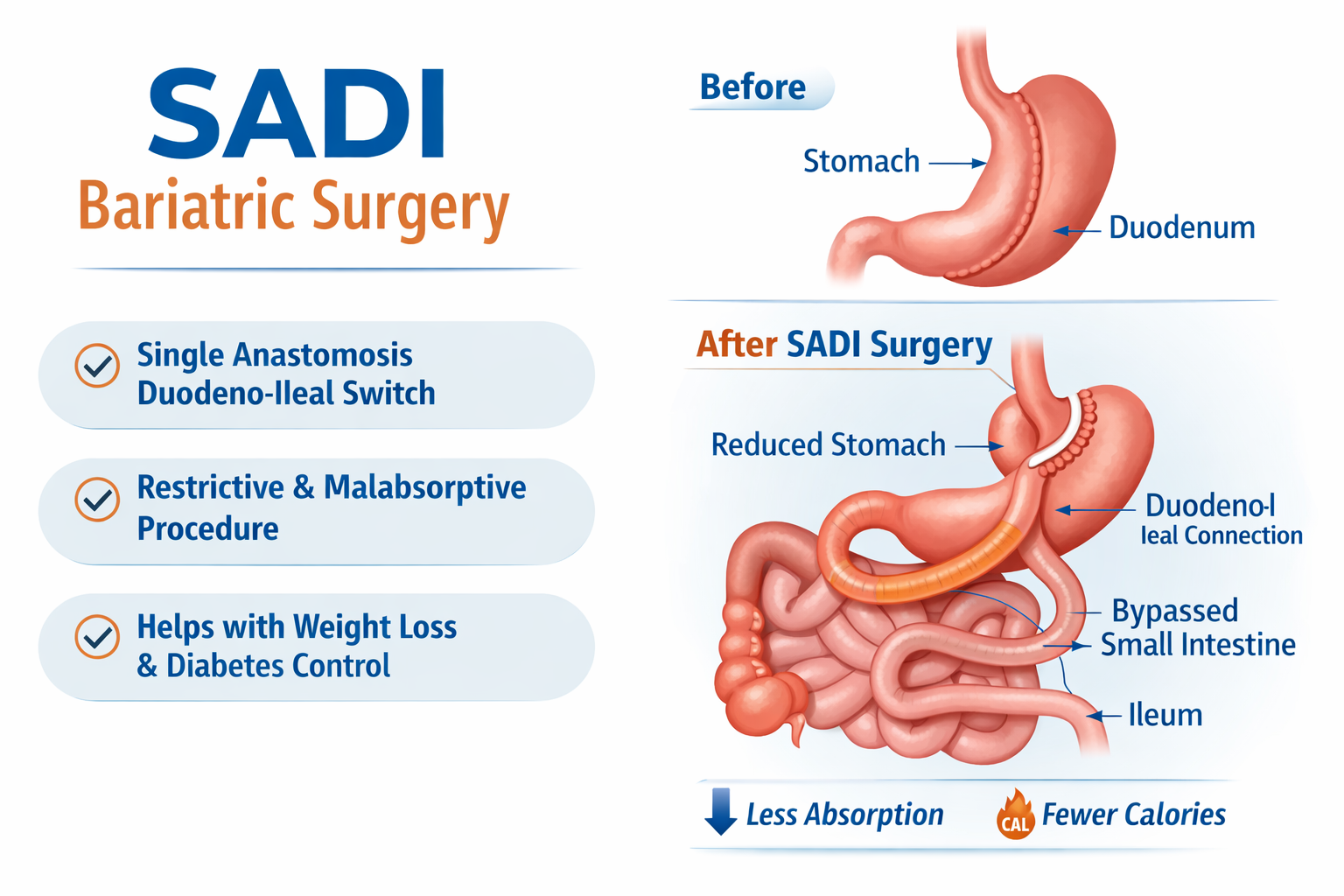
The procedure is also known as Single Anastomosis Duodeno-Ileal Bypass with Sleeve Gastrectomy and is considered a modern modification of the traditional Duodenal Switch surgery.
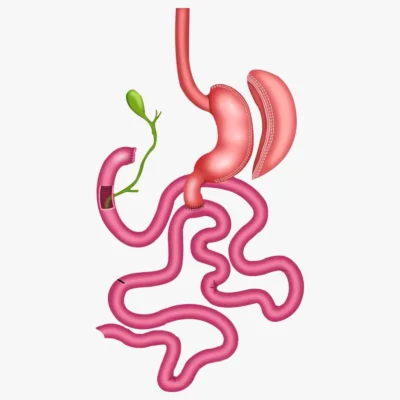
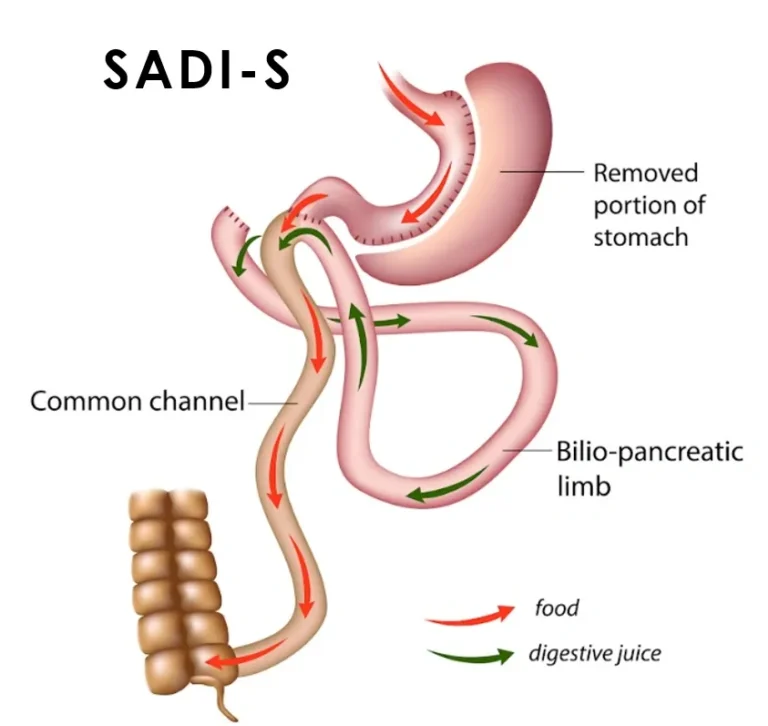
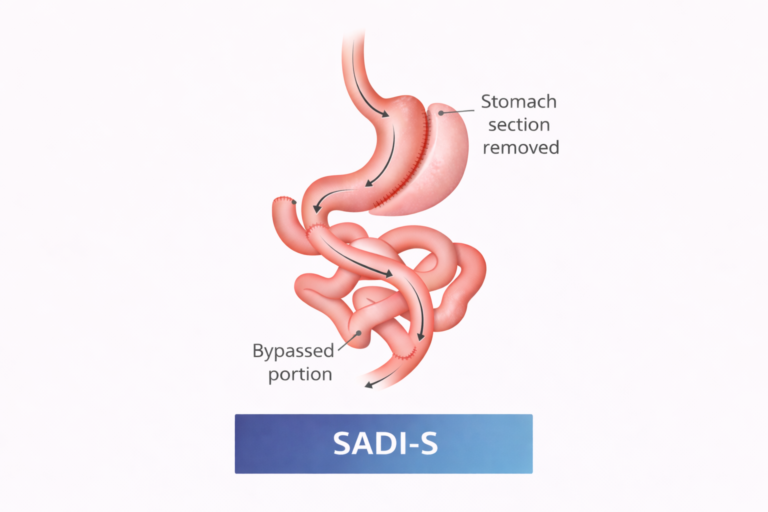
The procedure begins with sleeve gastrectomy, followed by connecting the first part of the small intestine to a more distal segment of the intestine using a single intestinal connection. This approach provides effective weight loss and significant metabolic improvement while being technically simpler than some other advanced bariatric procedures.SADI-S combines two effective bariatric techniques:
1- Sleeve gastrectomy to reduce the amount of food the patient can consume.
2- Intestinal bypass to decrease calorie and fat absorption.
One of the key advantages of this procedure is that it involves only one intestinal anastomosis, making it less surgically complex than the traditional duodenal switch while still delivering strong long-term weight loss and metabolic outcomes.
SADI-S is considered one of the most effective bariatric surgeries in terms of:
- Significant weight loss
- Type 2 diabetes control
- Lower risk of weight regain
- Long-term metabolic improvement
The procedure is commonly recommended for patients with:
- Morbid obesity
- Very high BMI
- Failed sleeve gastrectomy results
- Weight regain after bariatric surgery
- Uncontrolled type 2 diabetes
How Does SADI-S Surgery Promote Weight Loss?
First: Reducing Stomach Size
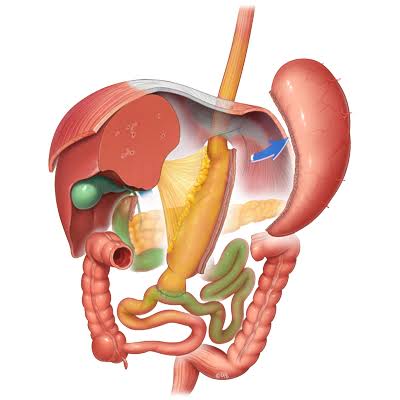
During the first stage of the procedure, approximately 70 – 80% of the stomach is removed, creating a narrow sleeve-shaped stomach. The portion of the stomach responsible for producing the hunger hormone (ghrelin) is also removed, which helps significantly reduce appetite after surgery. This results in:
– Reduced food intake
– Earlier satiety
– Lower daily calorie consumption
– Better appetite control
Second: Reducing Calorie and Fat Absorption
After sleeve gastrectomy, the duodenum is connected to a more distal portion of the small intestine, bypassing a significant segment responsible for absorbing calories and fats. This mechanism is one of the main reasons why SADI-S is highly effective for severe obesity treatment compared to some other bariatric procedures. As a result:
– Fat absorption is reduced
– Overall calorie absorption decreases
– Patients achieve effective and sustained weight loss
Third: Hormonal Effects and Diabetes Improvement
The surgery affects several gastrointestinal hormones involved in satiety and blood sugar regulation. In some patients, type 2 diabetes improves significantly even before substantial weight loss occurs. Many patients experience:
– Rapid improvement in blood sugar levels
– Reduced insulin resistance
– Reduced need for diabetes medications
– Improvement in obesity-related metabolic disorders.
How Is SADI-S Surgery Performed?
SADI-S is typically performed using advanced laparoscopic techniques through several small abdominal incisions. This minimally invasive approach helps reduce postoperative pain, shorten hospital stay, and speed up recovery compared to traditional open surgery.
The procedure aims to achieve effective and sustainable weight loss by combining:
– Reduced food intake
– Reduced calorie and fat absorption
The surgery consists of two main stages:
First: Sleeve Gastrectomy
During this stage, approximately 75 – 80% of the stomach is removed, transforming it into a narrow, sleeve-shaped tube. This helps:
– Reduce the amount of food consumed
– Promote early fullness
– Decrease hunger hormone production and appetite
This step is similar to traditional sleeve gastrectomy but represents only the first part of the SADI-S procedure.
Second: Duodenal Bypass
After sleeve gastrectomy, the surgeon divides the first part of the small intestine, known as the duodenum, and connects it to a more distal segment of the small intestine. This bypasses a large section of the intestine responsible for calorie and fat absorption, leading to:
– Reduced fat and sugar absorption
– Lower calorie absorption
– Increased weight loss and metabolic improvement
This intestinal rerouting also contributes to significant improvement in obesity-related diseases, especially type 2 diabetes and insulin resistance.
Advantages of SADI-S Surgery
SADI-S is considered one of the most powerful modern bariatric procedures because it combines stomach restriction with reduced calorie absorption, helping patients achieve:
– Significant and sustainable long-term weight loss
– Improvement in obesity-related diseases
– Better control of type 2 diabetes and insulin resistance
One of the major advantages of SADI-S
Is that it uses a single intestinal connection, making it less complex than traditional duodenal switch procedures while still providing strong metabolic and weight loss outcomes.
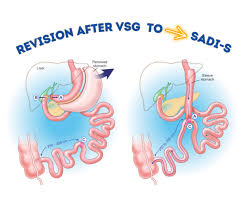
It is also considered one of the best revisional bariatric procedures after a failed sleeve gastrectomy or weight regain, especially for patients who did not achieve satisfactory results from previous bariatric surgeries.
Risks and Disadvantages of SADI-S Surgery
Despite the effectiveness of SADI-S surgery and its powerful results, it requires careful long-term follow-up and commitment to dietary guidelines and nutritional supplements. Like any major bariatric procedure, the surgery may be associated with certain complications such as:
- Potential Complications
- Vitamin and Nutritional Deficiencies
- Gastrointestinal Complications
Bleeding, leakage, infection, blood clots, and anesthesia-related complications. However, these risks are significantly reduced when the procedure is performed by an experienced bariatric surgeon.
Since the procedure partially works by reducing nutrient absorption, some patients may develop deficiencies in vitamins and essential nutrients such as iron, calcium, vitamin B12, and vitamin D. Therefore, patients require regular follow-up, routine laboratory tests, and lifelong nutritional supplementation.
Some digestive symptoms may also occur, including diarrhea, gas, or changes in bowel habits. These symptoms often improve gradually with proper dietary adherence and a healthy lifestyle after surgery.
Who Is the Ideal Candidate for SADI-S Surgery?
- BMI over 40
- BMI over 35 with obesity-related medical conditions
- Uncontrolled type 2 diabetes
- Severe morbid obesity
- Failed sleeve gastrectomy or weight regain
Candidates should also be:
– Willing to follow dietary recommendations
– Committed to long-term follow-up
Consistent with lifelong supplementation
– Fully aware of the procedure and postoperative requirements
Suitability for surgery is determined after a comprehensive medical evaluation and review of the patient’s health history.
What Happens After SADI-S Surgery?
Recovery after SADI-S occurs gradually through several important stages:
Patients are usually encouraged to:
- Start walking within hours after surgery
- Begin drinking fluids gradually
- Walk early to reduce the risk of blood clots
Hospital stay typically ranges from one to three days, depending on the patient’s condition.
The postoperative diet progresses gradually through several stages:
- Clear liquids
- Full liquids
- Pureed foods
- Soft foods
- Regular healthy meals
This progression usually takes several weeks depending on the patient’s recovery.
Long-term success after SADI-S requires:
- Adequate protein intake
- Proper hydration
- Regular physical activity
- Lifelong vitamin supplementation
- Continuous medical follow-up
Surgery alone is not enough without long-term lifestyle modification.
Short-Term and Long-Term Results of SADI-S Surgery
Short-Term Results
During the first few months after surgery, patients often experience:
– Rapid weight loss
– Reduced appetite
– Improved blood sugar levels
– Increased mobility and physical activity
Long-Term Results
– Studies show that SADI-S can help:
– Maintain long-term weight loss
– Improve blood pressure
– Treat sleep apnea
– Enhance quality of life
– Reduce obesity-related cardiovascular risks
Follow-Up After SADI-S Surgery
Regular medical follow-up is an essential part of long-term success after SADI-S surgery. Patients require:
- Routine vitamin and mineral blood tests
- Ongoing nutritional assessment
- Weight and body fat monitoring
- Regular bariatric follow-up visits
- Adjustment of supplements when necessary
Proper follow-up helps:
- Prevent malnutrition
- Detect nutritional deficiencies early
- Maintain weight loss results
- Reduce the risk of weight regain
Difference Between SASI and SADI-S
In the SASI procedure, food passes through two pathways: one natural pathway and one bypassed pathway. This helps reduce severe malabsorption while preserving better absorption of vitamins and nutrients.
SASI is often suitable for patients who require moderate weight loss and less aggressive malabsorption.
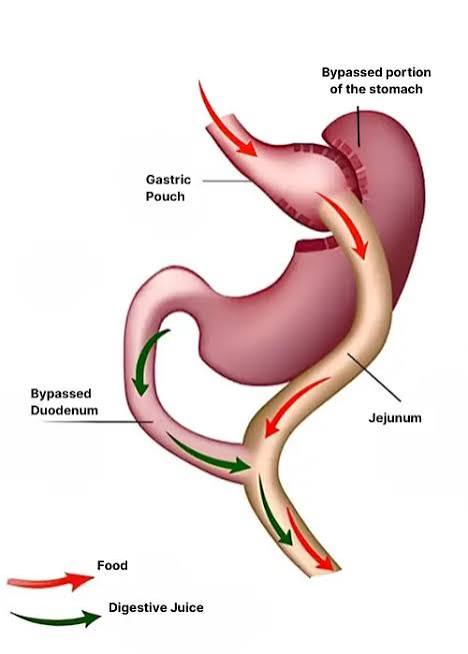
SADI-S involves a greater degree of intestinal bypass and malabsorption, resulting in:
– Stronger weight loss results
– Better diabetes improvement
– More effective treatment for severe obesity
However, it requires closer nutritional follow-up and long-term commitment to supplements and monitoring.
Why Choose Dr. Ahmed El Ansary for SADI-S Surgery?
The success of advanced bariatric procedures such as SADI-S depends greatly on surgical expertise and long-term postoperative care. Dr. Ahmed El Ansary provides:
– Comprehensive medical evaluation
– Personalized procedure selection
– Advanced laparoscopic bariatric techniques
– Continuous nutritional and medical follow-up
– Long-term postoperative support programs
– Experience in revisional and complex bariatric surgeries
The goal is not only weight loss but also long-term improvements in overall health, quality of life, and obesity-related medical conditions.

Frequently Asked Questions About SADI-S Surgery
SADI-S is not suitable for every patient. Eligibility is determined after evaluating the patient’s BMI, overall health condition, obesity-related diseases, and surgical history.
Sleeve gastrectomy only reduces stomach size, while SADI-S combines sleeve gastrectomy with intestinal bypass, offering stronger weight loss and metabolic outcomes.
Yes, SADI-S is considered one of the most effective bariatric procedures for improving and controlling type 2 diabetes by improving insulin sensitivity and blood sugar regulation.
Most patients can return to normal daily activities within 2 to 4 weeks while following postoperative dietary and medical instructions.
Although SADI-S provides long-term weight loss, some weight regain may occur if the patient does not maintain healthy lifestyle habits and follow-up care.
Yes. Because the procedure reduces nutrient absorption, lifelong vitamin supplementation and regular monitoring are necessary.
SADI-S is considered safe when performed by an experienced bariatric surgeon with proper postoperative follow-up.
Yes. SADI-S is considered one of the most effective revisional bariatric procedures for patients who did not achieve sufficient weight loss or regained weight after sleeve gastrectomy.
The procedure typically takes two to four hours, depending on the patient’s condition and any previous surgeries.
Noticeable weight loss begins within the first few weeks after the procedure, and gradual results continue over the following months with adherence to medical instructions.