Obesity Treatment and
Bariatric Surgery in Egypt
Bariatric surgery has become one of the most effective solutions for obesity treatment and long-term weight loss, helping patients improve obesity-related conditions such as diabetes, high blood pressure, sleep disorders, and acid reflux. The success of weight loss surgery depends on accurate diagnosis, proper patient evaluation, and selecting the most suitable bariatric procedure based on BMI, medical history, eating habits, and lifestyle.
Dr. Ahmed El-Ansary, a bariatric surgeon in Egypt and consultant of laparoscopic and gastrointestinal surgery, provides advanced treatment for morbid obesity using the latest minimally invasive surgical techniques, including gastric sleeve surgery, gastric bypass surgery, SASI bypass surgery, SADI-S bypass surgery, and revision bariatric surgery.
How Is Morbid Obesity Diagnosed?
Diagnosing morbid obesity requires a comprehensive medical evaluation to determine whether the patient is suitable for bariatric surgery and to identify the best weight loss surgery option for long-term success.
The diagnosis process includes several important steps:
Body Mass Index (BMI) Evaluation
Body Mass Index (BMI) is one of the most important factors used to determine eligibility for obesity treatment surgery. Bariatric surgery is usually recommended for:
- Patients with a BMI over 35
- Patients with a BMI over 30 are associated with obesity-related conditions such as
- Type 2 diabetes
- High blood pressure
- Polycystic ovary syndrome (PCOS)
- Infertility problems
- Joint and breathing problems
Each patient is evaluated individually to determine the most effective treatment plan.
Previous Weight Loss Attempts
Before recommending any type of weight-loss surgery, the patient’s history with diets and previous weight loss attempts is carefully reviewed.
Failure to achieve sustainable results through diet programs, exercise, or non-surgical obesity treatment methods is considered one of the main indicators for bariatric surgery.
Psychological Evaluation
Before Bariatric Surgery. The success of bariatric surgery depends not only on the operation itself but also on the patient’s ability to commit to post-operative lifestyle changes.
The psychological assessment helps ensure that the patient is prepared for:

- Following a healthy diet plan
- Taking vitamins and supplements regularly
- Long-term follow-up care
- Adapting to lifestyle changes after surgery
How Is the Right Bariatric Surgery Selected?
Dr. Ahmed El-Ansary offers advanced bariatric surgery and laparoscopic surgery solutions for the treatment of morbid obesity, with each procedure carefully selected according to the patient’s medical condition and obesity diagnosis. The available types of weight-loss surgery include:
- Gastric sleeve surgery
- Gastric bypass surgery
- SASI bypass surgery
- SADI-S bypass surgery
- Revision bariatric surgery
- Gastric balloon and smart capsule procedures
In addition to bariatric procedures, Dr. Ahmed El-Ansary also performs advanced laparoscopic and gastrointestinal surgeries, including:
- Hiatal hernia surgery
- Gallbladder surgery
- Colon and rectal tumor surgery
- Stomach and esophageal tumor surgery
- Laparoscopic pancreatic surgery
- Thyroid tumor surgery.
Factors Used to Choose the Best Weight Loss
Surgery Selecting the right obesity treatment surgery depends on several important factors, including:
- Body Mass Index (BMI)
- Presence of acid reflux or GERD
- Eating habits and lifestyle
- Type 2 diabetes
- Cravings for sweets and sugary foods
- Previous bariatric procedures, if applicable
Based on these factors, the most suitable bariatric surgery procedure is selected to achieve safe and sustainable weight loss results.
When Is Gastric Sleeve Surgery the Right Choice?
Gastric sleeve surgery is one of the most commonly performed bariatric procedures for obesity treatment. It is often suitable for patients who:
- Do not suffer from chronic acid reflux
- Do not have severe sweet cravings
- Need safe and effective weight loss
- Require appetite reduction and stomach size reduction
The procedure is performed using advanced laparoscopic surgery techniques, allowing faster recovery and less post-operative pain.
When Is Gastric Bypass Surgery Better?
Gastric bypass surgery is considered one of the most effective surgical weight loss procedures, especially for patients suffering from obesity-related medical conditions. It is highly recommended for patients with:
- Type 2 diabetes
- Chronic acid reflux
- Excessive sweet consumption
- Severe obesity is associated with hypertension or sleep apnea
- Difficulty losing weight through traditional methods
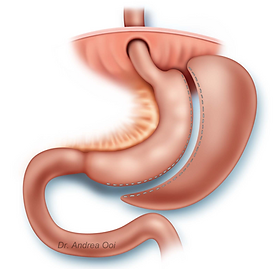
The procedure works by reducing stomach size and rerouting part of the digestive tract, helping to:
- Reduce food intake
- Decrease calorie absorption
- Improve appetite control
- Significantly improve diabetes
Gastric bypass surgery is an excellent option for patients seeking long-term weight loss and metabolic improvement.
SASI Bypass Surgery
SASI bypass surgery is one of the latest advancements in bariatric surgery, combining the benefits of gastric sleeve surgery and gastric bypass in one procedure. During the operation: The stomach size is reduced
An additional intestinal pathway is created to enhance weight loss
SADI-S Bypass Surgery
SADI-S bypass surgery is considered one of the most powerful bariatric procedures for the treatment of morbid obesity, particularly in patients with extremely high BMI. The procedure is suitable for:
- Patients with a BMI over 50
- Patients with excessive weight gain over 70 - 80 kg
- Patients with inadequate results after gastric sleeve surgery
- Patients requiring revision bariatric surgery
- The procedure combines
- Main benefits include
- SADI-S surgery must commit to
- Stomach reduction
- Greater calorie malabsorption compared to traditional bariatric procedures
- Significant and sustainable weight loss
- Better diabetes control
- Excellent outcomes for severe obesity
- Improved mobility and quality of life
- Patients undergoing
- Long-term follow-up
- Vitamin supplementation
- Post-operative nutrition plans.
Gastric Balloon and Smart Capsule
Gastric balloon procedures and smart capsules are non-surgical obesity treatment options designed to help patients lose weight safely. The gastric balloon helps by:
The smart capsule is swallowed without surgery or endoscopy and expands inside the stomach to help reduce appetite and control food intake.
The gastric balloon helps by:
- Reducing stomach capacity
- Increasing fullness
- Lowering food intake
- Supporting gradual weight loss
These options are suitable for patients who:
- Have moderate obesity
- Prefer non-surgical treatment for obesity solutions
- Need weight reduction before bariatric surgery
- Do not meet bariatric surgery criteria.
Revision Bariatric Surgery
Some patients may require revision bariatric surgery if previous weight loss surgery did not achieve the desired results.
Revision procedures may be recommended in cases of:
- Weight regain
- Enlarged stomach after sleeve gastrectomy
- Poor weight loss outcomes
- Complications from previous bypass surgery
- Persistent reflux symptoms
Before revision surgery, a detailed evaluation includes:
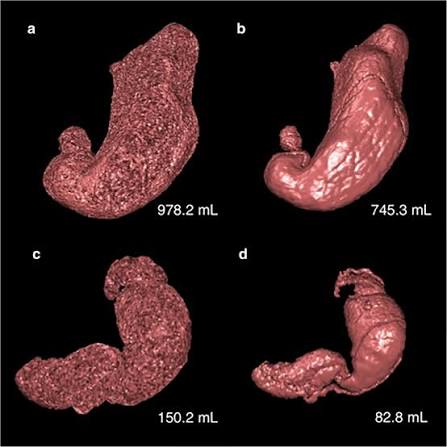
- 3D gastric volumetric CT scan
- Assessment of stomach pouch size
- Intestinal measurements
- Comprehensive laboratory testing
These evaluations help determine the safest and most effective revision procedure.
3D Gastric Volumetric Imaging Before Revision Surgery
Before revision bariatric surgery, advanced imaging known as 3D Gastric Volumetric scanning is used to:
- Measure stomach size accurately
- Evaluate gastric pouch anatomy
- Assess intestinal length
- Examine previous surgical connections
- Plan revision surgery precisely
This technology is one of the latest innovations in obesity treatment surgery planning.
Preparation Before Bariatric Surgery
Before bariatric surgery, patients undergo comprehensive medical evaluations to ensure maximum safety, including:
- ECG
- Echocardiography
- Chest X-ray
- Abdominal ultrasound
- Full laboratory investigations
- Viral screening
- Anesthesia assessment
Patients also receive detailed explanations about nutrition plans, recovery, and post-operative instructions.
Follow-Up After Bariatric Surgery
Long-term follow-up is one of the most important factors for successful obesity treatment after weight loss surgery. Patients receive a comprehensive follow-up program including:
- Monthly follow-up during the first year
- Long-term monitoring
- Personalized nutrition plans
- Protein and vitamin guidance
- Physical activity programs
- Psychological and behavioral support
Why Choose Dr. Ahmed El-Ansary for Obesity Treatment?
Dr. Ahmed El-Ansary is one of the leading bariatric surgeons in Egypt with extensive experience in laparoscopic and bariatric surgery and more than 5000 successful procedures. His treatment approach includes:
- Accurate obesity diagnosis
- Personalized surgical planning
- Advanced laparoscopic surgery techniques
- Faster recovery and less pain
- Long-term follow-up care.
Frequently Asked Questions About SADI-S Surgery
No. Bariatric surgery is recommended based on BMI, overall health condition, and failure of traditional weight loss methods.
The ideal procedure depends on BMI, diabetes, acid reflux, eating habits, and overall health.
Gastric sleeve surgery reduces stomach size, while gastric bypass also decreases calorie absorption.
SADI-S surgery is recommended for severe obesity or patients requiring revision bariatric surgery.
Yes. Revision bariatric surgery may be performed in cases of weight regain or inadequate weight loss results.