Laparoscopic Bariatric Surgery
For Obesity Treatment in Egypt
Laparoscopic bariatric surgery is one of the most effective solutions for obesity treatment and long-term weight loss. It helps patients manage morbid obesity and improve obesity-related conditions such as type 2 diabetes, hypertension, and gastroesophageal reflux disease (GERD).
With advancements in laparoscopic surgery, weight loss surgery procedures have become safer, more precise, and associated with faster recovery and minimal post-operative pain.
Dr. Ahmed El-Ansary, a leading Bariatric Surgeon in Egypt and consultant of general and laparoscopic surgery, provides advanced obesity treatment surgery options using the latest techniques, including gastric sleeve surgery, gastric bypass surgery, SASI bypass surgery, SADI-S bypass surgery, and revision bariatric surgery.
What is Bariatric Surgery?
Bariatric surgery refers to a group of surgical weight loss procedures designed to treat morbid obesity by:
- Reducing stomach size
- Decreasing calorie absorption
- Controlling appetite and hunger hormones
- Improving metabolic rate
- Treating obesity-related diseases
The type of weight-loss surgery is selected based on the patient’s medical condition, BMI, eating habits, and overall health status.
Gastric Sleeve Surgery
Gastric sleeve surgery is one of the most common bariatric procedures worldwide. It works by reducing the size of the stomach, which leads to:
01
Significant weight loss
02
Reduced appetite
03
Improved metabolic health
04
Better control of obesity-related diseases
This procedure is performed using laparoscopic surgery, ensuring minimal pain and faster recovery.
Gastric Bypass Surgery
Gastric bypass surgery is one of the most effective treatments for morbid obesity and type 2 diabetes. It is especially suitable for patients
suffering from:
- Severe obesity
- GERD (acid reflux)
- High sugar intake and sweet cravings
- Diabetes associated with obesity
- Difficulty losing weight with traditional methods
This procedure reduces stomach size and reroutes part of the digestive system,
leading to:
- Reduced calorie absorption
- Better blood sugar control
- Long-term weight loss.
SASI Bypass Surgery
SASI bypass surgery is an advanced bariatric surgery technique that combines the benefits of the gastric sleeve and the gastric bypass.
Patients achieve:
Strong and sustained weight loss
Appetite reduction
Improved diabetes control
Reduced calorie absorption
It is ideal for patients with severe obesity or those needing stronger results than traditional sleeve gastrectomy.
SADI-S Bypass Surgery
SADI-S bypass surgery is one of the most advanced weight loss surgery options for severe obesity cases.
It is recommended for:
- BMI above 50
- Extreme obesity cases
- Patients with insufficient results after previous bariatric surgery
- Revision bariatric surgery cases
This procedure requires strict follow-up, vitamin supplementation, and lifestyle adherence.
Benefits include:
- Powerful and long-lasting weight loss
- Improved metabolic disorders
- Better diabetes control
- Significant improvement in quality of life
Revision Bariatric Surgery
Revision bariatric surgery is performed for patients who did not achieve the expected results from previous obesity treatment surgery. It may be needed in cases of:
01
Weight regain after surgery
02
Stomach stretching after a gastric sleeve
03
Poor weight loss results
04
Complications from previous bariatric procedures
Advanced diagnostic tools such as 3D gastric volumetric CT scans are used to evaluate:
01
Stomach size
02
Gastric pouch condition
03
Intestinal configuration
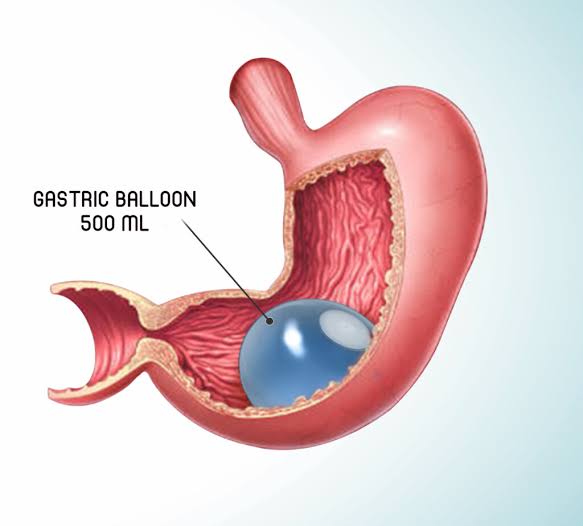
Gastric Balloon & Smart Capsule
Non-surgical obesity treatment options include the gastric balloon and smart capsule procedures. They help by:
- Reducing food intake
- Increasing satiety
- Supporting gradual weight loss

These options are suitable for:
- Moderate obesity cases
- Patients not eligible for bariatric surgery
- Pre-surgical weight reduction.
Advanced Laparoscopic Surgery Procedures
Dr. Ahmed El-Ansary also specializes in advanced laparoscopic surgery for digestive and abdominal conditions, including:
- Hiatal hernia repair
- Gallbladder surgery
- Colon and rectal tumor surgery
- Stomach and esophageal tumors
- Thyroid tumor surgery
- Pancreatic tumor surgery
These procedures are performed using minimally invasive techniques to ensure faster recovery and high surgical precision.
Latest Technologies in Bariatric Surgery
Advanced Laparoscopic Surgery
Advanced laparoscopic surgery is one of the most modern surgical techniques used to treat a wide range of medical conditions with high precision and safety. It helps reduce pain and shortens the recovery period compared to traditional open surgery.
Dr. Ahmed El-Ansary relies on the latest laparoscopic technologies to perform procedures with maximum accuracy and to achieve the best outcomes for patients.
Smart Stapler Technology in Bariatric Surgery
We utilize modern imaging technology to deliver precise diagnostic results for better clinical decisions.
Key advantages include:
- Single-use design for each patient to ensure maximum safety
- Helps the surgeon determine the appropriate tissue thickness accurately
- Reduces the risk of bleeding or leakage after surgery
- Offers multiple stapling options to suit different cases
- Fully automated system for higher precision and ease of use
- Helps achieve the optimal stomach shape and size after surgery
This technology is used as part of modern laparoscopic standards to enhance bariatric surgery outcomes and reduce recovery time.
Patient-Controlled Analgesia (PCA)
After Bariatric Surgery, Patient-Controlled Analgesia (PCA) is an advanced pain management technology used after bariatric surgery to provide greater comfort and reduce post-operative pain.
The device delivers carefully calculated doses of pain medication through an IV cannula, based on settings determined by the anesthesiologist according to the patient’s weight, height, and medical condition.
Key benefits include:
- Effective and safe pain control
- Greater comfort after surgery
- Reduced need for traditional painkillers
- Faster mobility and recovery
- Improved overall post-operative experience
PCA technology significantly enhances the recovery phase and reduces anxiety related to post-surgical pain.
Silicone Band After Bariatric Surgery
The silicone band is a supportive tool used after certain bariatric procedures to help prevent stomach stretching and maintain long-term weight loss results.
It is a medical-grade, body-safe silicone ring that is placed around the stomach in selected cases to help control food intake and reduce appetite. It is commonly used after:
– Gastric sleeve surgery
– Gastric bypass surgery
– SASI bypass surgery
Key benefits include:
- Maintaining long-term weight loss results
- Reducing the risk of stomach dilation
- Supporting portion control
- Helping patients adhere to dietary plans after surgery
The need for a silicone band is determined based on the patient’s medical condition and eating habits.
Follow-Up After Bariatric Surgery
Post-operative follow-up is one of the most important factors for the long-term success of bariatric surgery and maintaining sustainable weight loss results. Therefore, Dr. Ahmed El-Ansary provides a comprehensive follow-up program designed to help patients adapt to their new lifestyle after surgery and achieve the best possible outcomes safely.
Before undergoing bariatric surgery, each patient receives a detailed explanation that includes:
– Post-operative treatment plan
– Nutrition program after bariatric surgery
– Psychological and behavioral support follow-up
– Required vitamins and supplements plan
– Protein requirements during the first two months
– Exercise and physical activity guidelines and weight loss monitoring
This stage aims to prepare the patient physically and psychologically for life after surgery and ensure full commitment to medical instructions for achieving optimal weight loss results. Continuous follow-up is maintained to preserve long-term success.
All procedures are performed using advanced laparoscopic surgery techniques, which help reduce pain and speed up recovery.
The recovery period usually takes about one week, after which patients can gradually return to daily activities. A structured dietary program is then introduced, depending on the type of procedure performed. Post-operative monitoring includes:
- Fluids and nutrition intake
- Laboratory tests and vitamin levels are reviewed
- Protein consumption and supplementation
- Vitamins and essential supplements
- Physical activity and exercise plan
- Continuous weight loss tracking.
A structured long-term follow-up program is essential to maintain results and prevent future complications. Follow-up schedule includes:
Monthly visits during the first year
Follow up every 6 months thereafter
During each follow-up visit:
- Weight loss progress is evaluated
- Laboratory tests and vitamin levels are reviewed
- Dietary plans are adjusted if needed
- Physical activity is monitored
- Personalized medical instructions are provided for each stage
- Continuous follow-up plays a key role in achieving successful morbid obesity treatment and maintaining a healthy, stable weight in the long term.
Why Choose Dr. Ahmed El-Ansary for Bariatric Surgery?
Dr. Ahmed El-Ansary is one of the leading bariatric surgeons in Egypt with over 10 years of experience and more than 5000 successful procedures. He is distinguished by: